Someone is in danger, someone is catching feelings, and you need answers to BOTH problems before you can sleep. That’s the pull of romantic suspense: the relationship matters as much as the threat closing in.
If you love romance books but sometimes want more bite, romantic suspense stories deliver chemistry under pressure, secrets with consequences, and a promised emotional payoff. The trick is recognizing when the danger and the love story actually belong together.
This post may contain affiliate links. If you make a purchase through these links, I may earn a small commission at no extra cost to you.
Key Takeaways
- The genre needs a central love story, an optimistic romantic ending, and suspense that matters to the plot.
- The danger should change the relationship, while the relationship changes how the characters face that danger.
- Heat level, graphic violence, and pacing vary. The genre label alone won’t tell you whether a book fits your mood.
What Makes Romantic Suspense Different?
The Romance Writers of America’s genre definition describes the subgenre as romance with suspense, mystery, or thriller elements integral to the plot. That word, integral, does a lot of work. In a romantic suspense novel, both the relationship and the threat need to shape the plot.
The Love Story Has to Matter
Attraction alone doesn’t carry a romance. I want the reasons these people choose each other, especially when choosing anyone feels risky.
Their connection needs its own movement: curiosity, friction, vulnerability, trust. A kiss between chase scenes can be fun, but the couple still needs an emotional problem worth resolving.
Here’s a useful test: remove the relationship. If little else changes, you’re probably reading a suspense novel with a romantic subplot.
The Threat Has to Matter Too
Now remove the danger. Does the same relationship unfold in roughly the same way?
An investigation, stalker, disappearance, or serial killer can shape how the couple meets and what they risk. A police detective or FBI agent might be part of the investigation, creating decisions the couple can’t postpone.
The suspense also needs a meaningful resolution. You don’t have to identify a secret villain every time. Knowing who’s dangerous can be terrifying enough when nobody knows how to stop them.
How the Romance and Suspense Plots Work Together
I don’t need a perfectly equal split between feelings and investigation. I need both threads to keep earning their place.
AutoCrit describes the genre through danger and romantic promise. That combination works when each development puts pressure on the other storyline.
Danger Makes Trust Expensive
Trust becomes interesting when being wrong could hurt someone.
An undercover agent’s identity, conflicting loyalties, or withheld information gives the couple a reason to hesitate. Attraction doesn’t erase that hesitation. It makes the choice messier.
The strongest emotional tension comes when a character has to risk honesty before they’re certain it’s safe. That’s where the connection gets teeth.
But secrets need believable reasons. When someone withholds essential information solely to stretch the plot, my patience starts packing its bags.
Love Changes What the Characters Do
The romance should influence decisions, rather than appearing only during downtime.
Growing trust can change whose judgment a character accepts. Fear of losing someone can challenge their usual caution. Respect can mean sharing information instead of deciding everything for a partner.
Protection is appealing. So is a heroine whose skills affect the outcome.
A capable love interest doesn’t need to become helpless so the other person can look impressive. Give both people something useful to contribute, and the partnership feels earned.
What Keeps the Pages Turning?
A slow burn gets immediate side-eye from me. It can still work, but the tension has to move.
The discussion of balancing romance and suspense in Writer’s Digest treats developing attraction and imminent danger as parts of the same job. Neither should disappear whenever the other gets interesting.
Slow Burn Still Needs Progress
A delayed kiss isn’t automatically a stalled romance.
There can be movement in changed assumptions, a shared confidence, a small act of care, or a moment when someone’s defenses drop. I want to feel the difference between who they were earlier and who they’re becoming together.
The investigation needs progress too. New evidence should change the situation. Repeated threats with no new consequences start to feel like someone keeps pressing the same alarm.
Breathing Room Makes the Danger Hit
Constant action can flatten a book. If every chapter is an emergency, there’s barely room to care.
A quieter scene lets characters process fear, notice each other, or admit something difficult. Those moments give the next threat emotional weight.
Dual POV can make both characters’ secrets feel personal. Single POV can keep you deliciously uncertain. Either works; replaying the same scene without adding anything doesn’t.
The Tropes Feel Different Under Pressure
Familiar romance tropes take on extra weight when the characters can’t separate their feelings from their safety. The setup gives them proximity. Their choices have to supply the connection.
Forced Proximity and Protective Partners
A safe house, protection assignment, or escape can keep two people together when they’d otherwise avoid each other.
That closeness makes everyday behavior revealing. Who listens? Who respects boundaries? Who stays calm when the other person can’t?
A protective hero works for me when protection includes respecting the heroine’s judgment. Constantly overriding her isn’t proof of devotion.
And only one bed still needs actual tension. Shared shelter can’t manufacture chemistry on its own.
Second Chances and Conflicting Loyalties
Second chance romance brings unfinished history into an already unstable situation. The danger demands cooperation before the old hurt feels settled.
Conflicting loyalties create a different ache. Someone may care about a person they have professional or personal reasons to distrust.
Both setups work when the emotional conflict goes beyond a conversation everyone keeps refusing to have.
Surviving danger together earns the couple a chance to rebuild. It doesn’t automatically repair the betrayal that broke them apart.
Romantic Suspense vs. Thrillers and Dark Romance
Genre labels overlap, especially in blurbs. They still make different promises, and I want to know which promise I’m buying.
A Thriller Can Leave the Romance Unresolved
A thriller, sometimes labeled a romantic thriller, may include attraction, sex, or a substantial relationship without promising an optimistic romantic ending.
The Kill Zone’s overview of the genre connects the genre to romance’s central love story and emotionally satisfying, optimistic ending. That expectation matters.
A solved case won’t necessarily satisfy a romance reader if the relationship ends in misery. The romantic thriller label alone doesn’t promise a satisfying romantic ending. The ending is part of the deal, even when getting there hurts.
Dark Romance Describes Different Expectations
Dark romance can overlap with suspense, but darkness alone doesn’t establish this genre.
A relationship may involve coercion, stalking, criminal power, or other troubling dynamics without an investigation driving the plot. Meanwhile, romantic suspense can feature a caring, consensual relationship surrounded by danger.
Mafia romance can fall into either category or both. Check the relationship dynamic as well as the threat.
Romantasy raises a similar question about balance: do the external stakes feed the connection, or does the couple disappear whenever the larger plot takes over?
and if you like your danger with a creepy old house and family secrets instead of an investigation, my gothic romance 101 post is all atmosphere and dread, including rebecca for that everyone-knows-something-except-me feeling.
Romantic Suspense Books to Try First
Start with the kind of pressure you enjoy. A guarded heroine in a small town offers a different experience from military operations or a continuing detective series. If you’re choosing a new romantic suspense author, consider which setting and character dynamic appeal to you.
For a Self-Contained Couple’s Story
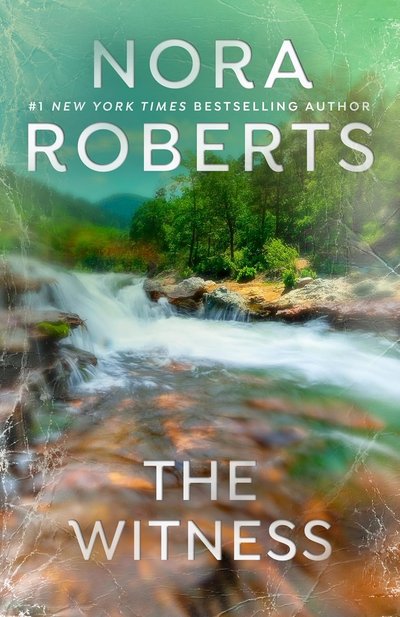
Bestselling author Nora Roberts pairs Abigail Lowery, a woman living with secrets, with small-town police chief Brooks Gleason. Danger from her past makes opening up risky. Try it if guarded characters and growing trust catch your attention.
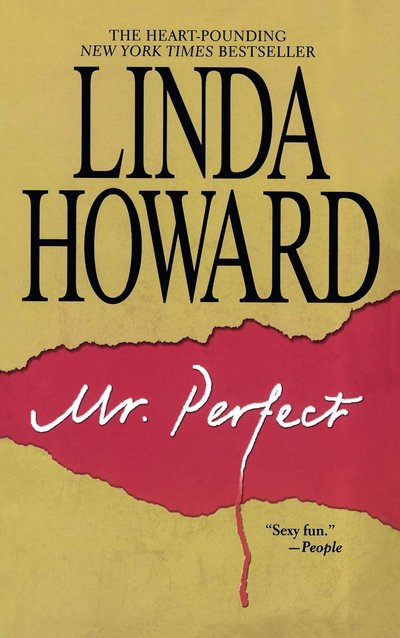
Mr. Perfect by Linda Howard begins with friends joking about their ideal man, then turns that conversation into a dangerous situation. The mix of banter, attraction, and a murder investigation gives this romantic suspense novel a different flavor of tension.
Neither premise tells you everything about intensity. Check a book review or content notes before assuming a familiar author or playful setup means an easy read.
For a Series You Can Settle Into
The Unsung Hero by Suzanne Brockmann opens the Troubleshooters romantic suspense series. Navy SEAL Tom Paoletti returns to his hometown, where a suspected terrorist threat intersects with his connection to Kelly Ashton. Consider it if military-team stories appeal to you.

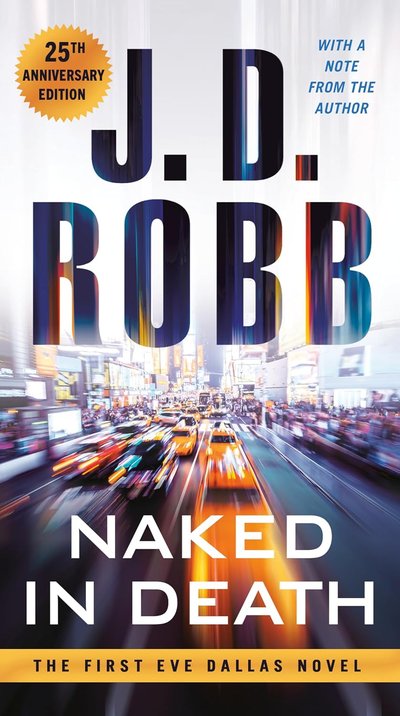
Naked in Death by J.D. Robb introduces police detective Eve Dallas and Roarke in a future New York setting. The investigation carries substantial weight, and their relationship continues across the In Death romantic suspense series.
That continuing-couple structure differs from a series that gives each installment a new pairing. A thriller series may follow familiar investigators without centering a continuing romance. Decide whether you want one complete romantic arc or familiar characters you can keep following.
Choose Your Danger Level Before Your Next Read
The right premise can still be the wrong book tonight. Sometimes I want a tense investigation. Sometimes my brain wants absolutely nobody chased through the woods.
Pick the feeling first. Choosing a romance for your reading mood helps separate the book you admire from the book you have energy to read. For romantic suspense audiobooks, preview an audiobook sample to see if the narration suits your mood.
Look beyond broad labels like “intense” or “spicy.” Check whether reviews mention on-page violence, sexual assault, domestic abuse, stalking, or harm involving children. References and detailed scenes can land very differently.
Heat deserves its own check. Suspense doesn’t guarantee explicit sex, and explicit sex doesn’t guarantee stronger chemistry. A guide to romance spice ratings can help with that separate question.
You can love a protective fictional man and still avoid detailed assault scenes. You can enjoy messy characters without wanting coercion inside the central relationship.
Your boundaries don’t need a defense. They need a book that respects the reading experience you’re looking for.
Frequently Asked Questions
Does Romantic Suspense Have to Have a Happy Ending?
As a romance subgenre, it promises an emotionally satisfying, optimistic romantic ending. That can be happily ever after or happy for now.
Check the series structure, though. A romantic suspense series may leave threads open rather than delivering a completely self-contained ending.
Does It Need a Murder Mystery?
No. Kidnapping, stalking, a serial killer, an undercover operation, or a survival situation can provide the suspense.
The reader may know who’s responsible early. The tension can come from whether the characters escape, find proof, or stop the threat before someone else gets hurt.
Can Romantic Suspense Be Low-Spice or Queer?
Yes to both. Neither explicit sex nor a particular gender pairing defines the genre.
An MM romance, sapphic romance, or low-spice love story can fit when the central relationship and suspense both matter. Check individual descriptions for the dynamic and heat level you want.
The Payoff Has to Survive the Danger
The genre works when you care about the couple’s future as much as their immediate safety. The danger pushes them together, but their choices make the relationship believable.
I want momentum, chemistry, and earned trust. When the threat is finally handled, I still want these people choosing each other. That’s the payoff worth staying up for.

grab the free skip to the good part checklist
100 reader-approved spicy scenes in one cute printable. check them off, star your rereads, send it to the group chat. plus my sunday email (one a week, unsubscribe anytime).
you're already on the list 💗 the checklist link is in your welcome email.
one email a week. no spam, no amazon links in your inbox. unsubscribe anytime.