A gorgeous house and a brooding stranger can get my attention, but slow pacing gets immediate side-eye. Gothic romance works when attraction comes with dread, secrets, or unease, and both sides give you something to care about.
If you want darker love stories, check the emotional promise before trusting the cover. Some books deliver more romance; others lean into obsession, secrets, and a terrible time for everyone involved.
Start with the kind of tension you want, then choose the book.
This post may contain affiliate links. If you make a purchase through these links, I may earn a small commission at no extra cost to you.
Key Takeaways
- Gothic romance blends attraction with atmosphere, secrets, and unease—but a Gothic label doesn’t guarantee a happily-ever-after or a conventional romance payoff.
- Choose your first book by the experience you want: yearning in Jane Eyre, psychological suspense in Rebecca, destructive intensity in Wuthering Heights, a haunting romance in The Widow of Rose House, or obsession in A Dowry of Blood.
- Gothic and dark romance can overlap, but neither label tells you everything about a book’s content. Check individual content warnings and remember that heat and darkness are separate.
- Read a sample and check the relationship’s importance, pacing, and ending tone before committing. You’re allowed to choose another book if it isn’t holding your attention.
and if Wuthering Heights is the one that pulled you in, Emerald Fennell’s movie came out this February, and my 2026 romance adaptations list has it plus the other books getting screen time this year.
What Makes Gothic Romance Feel Different?
The attraction comes with questions. Can you trust this person? Why does everyone avoid that room? And why are you still considering the kiss?
Atmosphere Gets Under Your Skin
Gothic stories make their surroundings matter. Eerie atmospheric settings, a crumbling house, an oppressive family, or a place that feels wrong put pressure on the characters.
The New York Public Library’s genre history traces Gothic fiction’s beginnings to The Castle of Otranto, published in 1764. You don’t need to start there. Knowing the roots helps explain why ruined buildings and buried histories keep showing up.
The appeal is that uneasy pull between wanting something and wondering what it will cost. Give me attraction with consequences. The wallpaper can help, but it can’t carry the relationship.
The Word “Romance” Needs Checking
Here’s the important distinction: a Gothic novel with a love story doesn’t automatically follow the expectations of modern genre romance.
Romance books generally promise a central relationship and an emotionally satisfying, optimistic ending. Gothic fiction can leave you with grief, horror, or a relationship you absolutely would not want for yourself.
A Gothic label promises atmosphere. It doesn’t guarantee a happily-ever-after.
Nearby genres can make different promises. Gothic fairytale fantasy may emphasize magic or fairytale motifs, while romantic suspense fiction can center danger and mystery without using Gothic atmosphere. Check how central the relationship is and what kind of ending the book promises.
Gothic Tropes That Turn Up the Tension
Classic gothic tropes keep returning because they make trust harder. And trust is already doing overtime here.
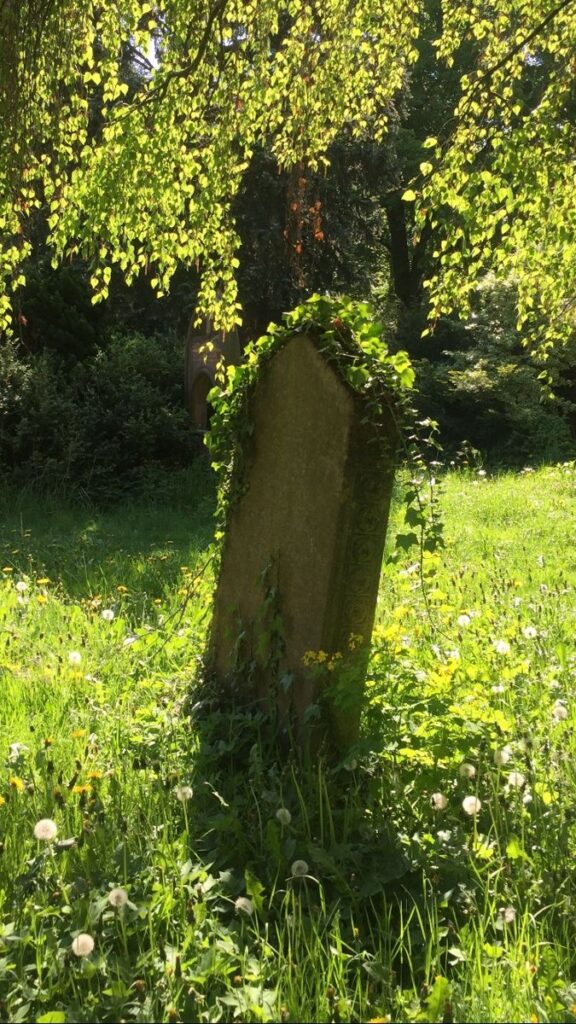
The House Makes Leaving Complicated
The isolated mansion trope cuts characters off from help, familiar routines, and people who might offer a sensible second opinion.
Cliffs, storms, remote roads, and locked doors all increase that pressure. Staying feels dangerous. Leaving might be difficult, too.
The setting also changes ordinary moments. Footsteps upstairs become a question. A closed door becomes an obsession. Dinner with the family becomes an exercise in watching everyone lie.
Forced proximity hits differently when sharing a roof means depending on people who won’t tell you the truth. Suddenly, even a kind gesture needs examining.
Secrets Make Attraction Risky
Family secrets and suspense build pressure by widening the gap between what the heroine sees and what she knows. Hidden marriages, family shame, inheritance disputes, and unexplained sounds can all contribute.
Sometimes the explanation is supernatural. Sometimes people are doing perfectly human damage. Both can work.
Tufts’ guide to Victorian Gothic fiction identifies recurring elements including psychological terror, supernatural mystery, and hereditary curses.
For romance readers, those secrets change the emotional stakes. A revelation about hidden family history can bring two people closer or make every earlier conversation feel different. That’s the tension I’m looking for: revelations that affect the relationship, not another corridor to wander down.
Start With a Classic That Fits Your Mood
You don’t owe the genre a chronological reading project. Pick the emotional experience that sounds good tonight.
Jane Eyre for Yearning and a Strong-Willed Heroine
Charlotte Brontë’s Jane Eyre, a work of historical gothic fiction, follows a governess whose connection with her employer, Rochester, grows inside a house with serious secrets.
Choose it for a heroine with convictions, intense conversations, and attraction complicated by unequal power. Jane’s sense of herself matters as much as the romance.
Pacing warning: her childhood comes first, so the romantic setup takes time. If you’re here exclusively for immediate chemistry, adjust your expectations. The appeal includes watching Jane insist that her feelings don’t erase her right to make choices.
Rebecca for Marriage, Jealousy, and Suspense
Daphne du Maurier’s Rebecca puts a young second wife inside Manderley, where her husband’s first wife dominates the household’s memory.
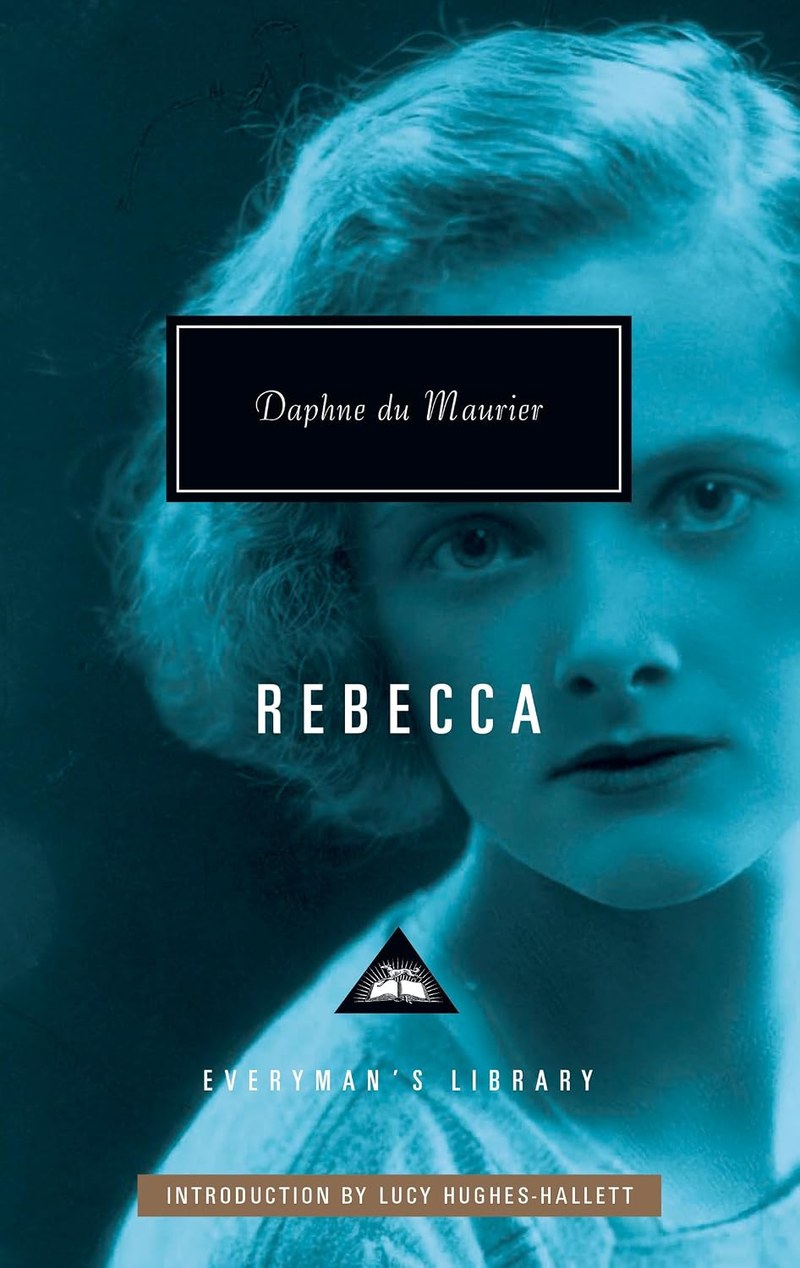
Start here when you want insecurity, an intimidating home, and the feeling that everyone understands the rules except the narrator.
The suspense has more weight than a conventional courtship. You’re watching a marriage through uncertainty, comparison, and information withheld.
If your current mood is “everyone knows something and I need answers,” this is the classic to consider. Expect psychological pressure rather than easy romantic reassurance.
Wuthering Heights for Destructive Emotional Intensity
Emily Brontë’s Wuthering Heights is one of the most turbulent dramatic love stories, full of obsession, resentment, and relationships that damage more than the people inside them.

Choose it when you’re willing to sit with cruelty and complicated attachments. The destructive intensity is compelling fiction, not a model of healthy love.
This needs the biggest expectation reset for romance-forward readers. Go in wanting a turbulent Gothic story rather than dependable swoons.
Also, check the narrative setup before starting. The framing and generations of characters ask for attention, especially if your reading brain currently wants something straightforward.
Modern Starting Points With Different Romantic Promises
You can also start with a more recent book. These two offer very different balances of affection, darkness, and emotional safety.
The Widow of Rose House for Romance With a Haunting
Diana Biller’s The Widow of Rose House pairs a widow restoring a troubled house with a scientist drawn into its haunting.

It’s a useful starting point when you want the central couple to matter. The haunting brings supernatural romance elements into the historical setting as their relationship develops.
The hero’s warmth also offers a different energy from the standard intimidating stranger. A Gothic setting can hold tenderness, too. Thank goodness.
Check the content warnings for the heroine’s abusive past before picking it up. Wanting a hopeful romantic experience doesn’t mean wanting every painful subject that might appear along the way.
A Dowry of Blood for Vampires and Obsession
S. T. Gibson’s A Dowry of Blood reimagines Dracula’s brides in a story of desire, control, and the struggle to reclaim yourself.
Consider it when you want queer Gothic fiction and intense relationship dynamics. Its intimate voice brings those relationships close to the reader.
The prose is lyrical, so sample it first if ornate language tests your patience. Style can be gorgeous and still miss your mood.
Keep your expectations closer to Gothic horror than conventional romance. This is a choice for examining seductive, damaging attachments, especially if you want emotional intensity without assuming the relationships are safe.
Check the Darkness Before You Commit
“Dark” tells you almost nothing about your personal boundaries. Neither does a beautiful cover with flowers and a skull.
Gothic romance and dark romance books can overlap, but they describe different things. Gothic stories emphasize atmosphere, secrets, and dread. Dark romance often involves taboo or dangerous relationship dynamics.
Neither label gives you a complete content warning. Check individual books for subjects such as:
- Coercion, sexual violence, stalking, or abusive relationships.
- Body horror, graphic violence, pregnancy-related distress, or harm involving children.
- Racism, confinement, suicide, or traumatic bereavement.
You can use a spoiler-free approach to content warnings without reading an entire plot breakdown.
Also, heat and darkness are separate. A book can contain disturbing material without explicit sex. A sexually explicit romance can have a caring relationship.
For teens, check the intended readership and individual warnings rather than treating a fairytale premise as an age rating. Curses and castles don’t tell you what happens on the page.
How to Browse Vintage Gothic Paperbacks
The dramatic covers are tempting. A woman fleeing a looming house? Excellent shelf energy.
But the cover gives you atmosphere before useful reading information. Vintage paperback novels can blend romance, mystery, and suspense in proportions that don’t match today’s category labels.
Harlequin Gothic Romance is a vintage book series you can research. Treat the name as a search lead, then examine individual descriptions.
Search library catalogs using “gothic romance,” an author name, or a series name. Catalog records can help distinguish similar titles and editions without relying on cover recognition.
When evaluating a copy or listing, check the author, publisher, edition, and condition. Missing pages are considerably less charming than yellowed ones.
For the reading experience, look for information about the relationship’s importance, supernatural elements, and ending tone. Neither a moody cover nor a series label can confirm an individual book’s romantic payoff.
Bring the Gothic Atmosphere Home Without a Renovation
A reading corner can borrow the mood of gothic home decor without requiring a haunted estate or a furniture budget with its own inheritance subplot.

For dark aesthetic styling, start with one rich color: forest green, burgundy, plum, or charcoal. Add gold and black accents if you like the contrast. A brass lamp or gilt frame creates that effect without changing the whole room.
Victorian interior design often features dark wood, patterned textiles, ornate frames, and layered objects. These details nod to gothic architecture and decor, but they’re optional, not requirements for an authentic Gothic reading life. Borrow from Victorian interior design rather than trying to reproduce the whole look.
Classic art and candlelight bring gothic literature inspiration into the room, but comfort gets a vote. A moody interior design still needs good lighting, so keep a proper reading lamp. Use flameless candles near books, curtains, or anything you might knock over while reacting to a reveal.
You don’t need taxidermy or a room so dark you lose your bookmark. A framed landscape, a secondhand mirror, and a textured cushion can do plenty.
The goal is a corner you want to sit in. If the chair hurts after twenty minutes, the aesthetic has failed the assignment.
Choose Your First Book by Emotional Payoff
Before borrowing anything, ask what you want the story to deliver: a satisfying couple, a mystery that lingers in gothic mystery novels, or unsettling emotional intensity.
That answer is more useful than choosing a book just because it’s famous. If momentum matters most, thrilling romance plots may be a better fit.
A library guide to Gothic fiction describes the genre’s blend of romance, horror, and psychological suspense. Check which ingredient takes the lead. Romantic suspense novels put suspense up front, while Gothic fiction often builds atmosphere.
The same mood-reading approach applies to romantasy, gothic fantasy reads, and dark fairytale retellings. Magic and danger can be wonderful, but they don’t guarantee chemistry when chemistry is what you came for.
and if you love the creepy atmosphere but would rather the creature be the love interest, my monster romance books list does the same pick-by-mood thing with orcs, minotaurs and alien heroes, including some way cozier options than a crumbling manor (a coffee shop owner vs. the orc baker next door, anyone?).
Read a sample. Notice the voice and pace. Permission to choose another book is included.
Frequently Asked Questions
What makes a book Gothic romance?
Gothic romance pairs attraction with an atmosphere of dread, secrets, or uncertainty. Settings like isolated houses and troubled families often add pressure, but the relationship and its emotional payoff still matter.
Do Gothic romance books always have a happily-ever-after?
No. Gothic fiction may end in grief, horror, or an unsettling relationship, even when it includes a love story. Check whether the book promises a satisfying romantic ending before you start.
Which Gothic romance should I read first?
Choose based on your mood: try Jane Eyre for yearning and a strong-willed heroine, or The Widow of Rose House for a haunting with a more central romance. If you want psychological pressure or destructive intensity, consider Rebecca or Wuthering Heights instead.
Is Gothic romance the same as dark romance?
No, though the genres can overlap. Gothic fiction emphasizes atmosphere, secrets, and dread, while dark romance often explores taboo or dangerous relationship dynamics; check a specific book’s content warnings rather than relying on its label.
Your First Gothic Read Should Fit You
Start with the payoff you want, then decide how much dread and uncertainty you’re willing to bring along.
A haunted house can be delicious. A complicated love interest can be compelling. Neither obligates you to finish a book that isn’t holding your attention.
The right darker love story makes you want the next page, even while you’re questioning everyone’s decisions.
grab the free skip to the good part checklist
100 reader-approved spicy scenes in one cute printable. check them off, star your rereads, send it to the group chat. plus my sunday email (one a week, unsubscribe anytime).
you're already on the list 💗 the checklist link is in your welcome email.
one email a week. no spam, no amazon links in your inbox. unsubscribe anytime.