A third-act breakup is a common beat in romance novels, often around the 75% to 80% mark. It isn’t required, and timing alone doesn’t make it meaningful. The couple must separate or face a serious rupture that puts their relationship at stake and calls for change. The reunion should feel earned before the couple reaches a happy ending.
I can handle heartbreak when the story gives me a reason. But after 300 pages of longing, that reason needs to be stronger than two adults refusing to finish a conversation. That’s where the story either hits or loses me.
This post may contain affiliate links. If you make a purchase through these links, I may earn a small commission at no extra cost to you.
Key Takeaways
- A third-act breakup often happens around the 75% to 80% mark, but timing alone doesn’t make it meaningful.
- The rupture should grow from an established fear, betrayal, or values-level conflict that puts the relationship at stake.
- A believable reunion needs accountability, a specific apology, and changed behavior that matches the harm. The hurt partner gets to choose whether to return.
- Romance can build tension without a breakup by testing how the couple works together under shared pressure and asking them to make a costly choice.
Why the Breakup Hits Around 80%
In romance novels, this is often the “All Is Lost” moment: the relationship looks finished. The familiar breakup around the 80% mark is a common structural beat, not a deadline every story has to meet.
The rupture should force the characters to face the conflict that keeps love out, such as fear, pride, or old heartbreak. A reunion needs accountability and concrete steps to rebuild trust; timing alone can’t create catharsis.
Placement still affects pacing. Culturess warns that introducing a breakup with only 50 to 100 pages left can make the ending feel rushed or predictable.
When a Third-Act Breakup Feels Earned

The Fear Needs Roots
In romance novels, a guarded character who expects abandonment needs that fear on the page before the breakup. Past heartbreak can explain why trust feels dangerous.
An FMC and MMC can both have understandable motives for a rupture. It may grow from an established fear, betrayal, or a values-level problem they can’t solve with one conversation. Seed that cause before the relationship breaks, rather than using it as a surprise excuse after someone behaves horribly.
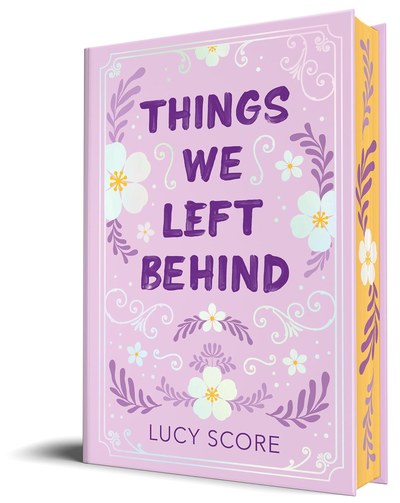
Messy people deserve room to struggle. Grief and recovery don’t run on one schedule, and needing time doesn’t make a character a monster. I can believe the retreat when the story has shown what it costs.
The Repair Needs Receipts
A specific breach of trust needs a specific repair. Lying or dismissing a partner’s pain can’t disappear under one pretty speech. The grovel should match the harm, and changed behavior needs page time. A grand gesture alone isn’t a meaningful grovel.
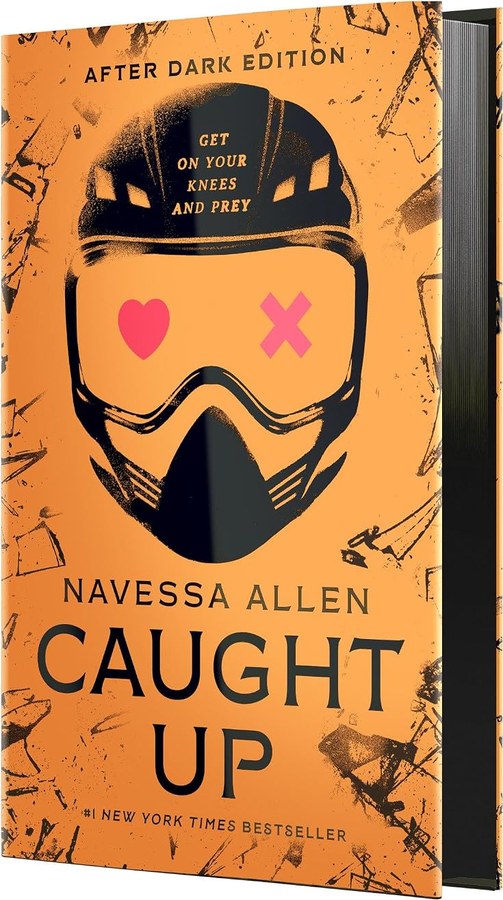
An apology names what happened without blaming the injured partner. The person who caused harm must take responsibility, offer a specific apology, and show changed behavior. Forgiveness can’t be demanded, and the hurt partner has a real choice about returning to the relationship.
Pride and Prejudice offers a useful repair lesson without being a textbook third-act breakup: Darcy rethinks his behavior, acts differently, and lets Elizabeth reconsider him. Both people move.
For writers, three questions help: Why this wound? Why does it rupture the relationship now? What changes before they reunite? If the answers are thin, another conflict may serve the couple better.
Why Romance Readers Lose Patience
The Two-Minute Conversation Problem
If one overheard sentence causes a split, let the characters talk. An ordinary disagreement that one conversation resolves doesn’t justify fifty pages of separation or the cost to the relationship.
This is why some readers avoid the trope entirely. Once you expect a random disaster at 80%, even the sweet scenes feel like a countdown. A slow burn already asks for patience; spending its payoff on preventable confusion earns side-eye.
Seeing both characters’ thoughts in dual-POV romances can make that gap even harder to ignore: you know exactly how little stands between them.
The Reunion Can Be the Real Problem
Reader debates often name Icebreaker by Hannah Grace, The Unhoneymooners by Christina Lauren, and Casanova by T.L. Swan among books whose relationship choices divide readers. Happy Place by Emily Henry starts with an already-separated couple, so its second-chance setup needs a different reading.

The recurring complaint is proportion: 90% mistreatment and 10% grovel won’t automatically make the reunion believable. A “black cat FMC” label doesn’t excuse cruelty, either. Prickly and consistently unkind are different energies.
Fairness goes both ways: excusing a wounded MMC while condemning a similarly guarded FMC can expose internalized misogyny. Both should be allowed to be complicated, too.
same rule goes for age gaps, honestly. both people get to be wrong, both people apologize, and nobody gets to hold all the cards just because they’re older. that’s basically my whole rant in my age gap romance books post.
Romance Can Have Stakes Without a Split
Plenty of contemporary readers want emotionally mature leads who stay together and work through a problem. A no-breakup story gives you that option without removing tension.
External pressure can test how a couple works together: dangerous circumstances, long-distance strain, or a medical emergency. The question is whether they can handle the pressure as a team. An FMC can face those challenges alongside her partner without the story forcing a split. Physical distance doesn’t have to end the relationship.

Reader requests for external third-act conflict capture the appeal of the “battle couple”: partners face a shared threat instead of turning on each other. Radiance by Grace Draven offers that team energy, with Brishen and Ildiko building confidence inside a politically arranged marriage.
In romantasy or suspense, a shared threat can create real urgency. Still, surviving danger together needs to reveal something about the couple. A bigger villain can’t do all the emotional work.
Without a split, the climax still needs a choice that costs something. Let the couple risk comfort, status, or an old defense. Staying together should require growth rather than let them skip it.
If you’re choosing romance books by mood, my mood-reading guide can help separate “give me angst” from “please let these people communicate.” Both are valid reading nights.
Frequently Asked Questions
What is a third-act breakup?
It’s a serious rupture late in a romance novel that puts the couple’s relationship at risk. The couple needs to face the problem behind the split before a happy ending feels earned.
Does every romance novel need a third-act breakup?
No. A couple can face external pressure, such as long-distance strain or a shared threat, and work through it as a team. The climax still needs a choice that costs them something and requires growth.
What makes a third-act breakup feel earned?
The cause should connect to a fear, betrayal, or conflict the story has already established. An ordinary disagreement that one conversation could resolve usually doesn’t justify a long separation.
What makes a reunion believable after a breakup?
The person who caused harm needs to take responsibility, offer a specific apology, and show changed behavior. A grand gesture alone isn’t enough, and the hurt partner must have a real choice about returning.
The Reunion Has to Earn Its Place
When a third act breakup happens, it should expose a real problem in the relationship, not arrive simply because the story has reached its final act. A sincere grovel or changed choice can make the reunion believable and give you a reason to believe in them again.
I want the confession, the chemistry, and the emotional payoff. Whether they spend the final chapters apart or fighting side by side, I need to believe they’ll keep choosing each other after the last page.
grab the free skip to the good part checklist
100 reader-approved spicy scenes in one cute printable. check them off, star your rereads, send it to the group chat. plus my sunday email (one a week, unsubscribe anytime).
you're already on the list 💗 the checklist link is in your welcome email.
one email a week. no spam, no amazon links in your inbox. unsubscribe anytime.