As an Amazon Associate I earn from qualifying purchases.
Nothing makes me want to throw a book across the room faster than a huge romantic misunderstanding I could fix with one chapter in the other person’s head. That is why romance novels written with a dual point of view are such a comfort read. You get the longing, the panic, the terrible decisions, and the exact moment both characters realize they’re in too deep.
When the switches are done right, the story moves. The chemistry has receipts. Readers looking for top romance book recommendations often turn to dual POV romances because nobody has to carry the entire emotional load alone.
Key Takeaways
- Dual point of view storytelling works best when each character brings new information, not a replay of the same scene.
- You get more romantic tension when you know both people are down bad.
- The format is perfect for enemies to lovers, forced proximity, suspense, and high-stakes romantasy.
- A weak entry in dual POV books can flatten the mystery or make one of the love interests feel like an extra.
- Look for books where both voices have their own energy, fears, and reasons to run.
Why Dual POV Romances Hit So Hard
A single POV can be delicious. You’re trapped in one person’s hope, confusion, and wildly unhelpful assumptions. Sometimes that’s exactly the vibe.
But moving beyond a single POV gives you the full emotional meal.
You see her decide he’s cold and impossible. Then the next chapter reveals he’s barely holding it together because she smiled at someone else. I love mess. I love yearning. I especially love knowing the grumpy guy is not, in fact, unbothered.
That extra access changes the pacing, too. A slow burn romance still has to burn. If a dual point of view structure spends 200 pages withholding every emotion from both love interests, I’m going to start checking the page count with suspicion. With two perspectives, an author can build romantic tension without leaving readers starving. One character can deny the attraction while the other is already having a full internal crisis.
The best dual point of view doesn’t remove the tension. It lets you watch both characters make the situation worse in real time.
It also makes conflict land harder. You understand why she shuts down. You understand why he says the wrong thing. You may still want to grab both of them by the shoulders, but at least the choices feel human.
That’s the magic in the strongest dual POV romances. The relationship isn’t happening to one character while the other stays blurry. It belongs to both of them.
And yes, this format has become a full-on reader request in modern romance novels. In a fantasy romance recommendation thread, readers point to Grace Draven’s Radiance, Master of Crows, and Phoenix Unbound when they want both sides of the love story. That makes sense. Fantasy romance asks you to care about a world, a danger, and a relationship, and these romance novels keep all three moving.
What Makes Two POVs Feel Worth It
Two narrators are not automatically better than one. I said what I said.
If every switch simply repeats the scene you just read, only with a different adjective, the momentum dies. Poorly structured alternating chapters can lead to repetitive scenes or jarring head hopping, destroying the narrative tension. We already know they argued in the kitchen. We don’t need a second kitchen recap unless it reveals a hidden fear, a missed detail, or an entirely different read on what happened.
The good stuff happens when each voice has a job.
One lead might carry the outward plot. They’re negotiating peace, escaping a monster, solving a murder, or holding a family business together by one thin thread. The other often holds a different kind of pressure. When romance authors focus on writing romance, they ensure that strong character development keeps both perspectives grounded and engaging. Maybe they’re hiding a past mistake. Maybe their loyalty is split. Maybe they are absolutely convinced love will end badly, because it has before.
Their chapters should feel different on the page. Not wildly different, like one character is writing a diary and the other is suddenly a private investigator. Just different enough that you can feel who’s speaking before you check the chapter heading.

I want her observations, her humor, her specific flavor of denial. I want his voice to have a separate rhythm, not “her chapter but with more jaw clenching.”
The best dual POV books offer a richer experience than a traditional single POV story. A few things usually tell me a book has this locked in:
- Both leads have a personal arc outside the relationship.
- Each switch gives you a new emotional or plot-level piece.
- The voices want different things, even when they want each other.
- The author knows when not to switch, so a moment can actually sting.
That last one matters. If the entire point of a chapter is wondering whether he saw the text, don’t jump into his head and answer it immediately. Let me suffer for a minute. I can take it.
The Tropes That Get Better With Both Sides
Some romance tropes were practically built for two viewpoints. Enemies to lovers is the obvious one, especially in dual POV books where you get both versions of the insult, both secret reactions, and both “why am I thinking about them at 2 a.m.?” spirals. It is a gift in romance novels.
Forced proximity also gets better here. A snowed-in cabin, a fake honeymoon, one tent, a road trip with nowhere to escape, all of it works because the reader sees the small shifts happening on both sides. He is noticing she takes her coffee too sweet, and she is noticing he always gives her the safer side of the sidewalk. Nobody says it out loud, but friends to lovers and second chance romance arcs both thrive on this kind of unspoken tension.
The fake dating trope needs dual POV when the feelings arrive early. You know the deal is pretend, and they know the deal is pretend, but then one of them starts using phrases like “my girlfriend” too easily, and the other person is internally combusting. That is the material that makes modern dual POV books so addictive.
Suspense romance has its own reasons. A single perspective can keep the mystery tighter, so I do not need dual narration every time. Still, when both leads are in danger or holding different secrets, alternating chapters can make the pressure feel personal. You are not only asking, “Who did it?” You are asking, “Will they trust each other before this goes sideways?”
For a quick reader-led stream of titles for your next stack of romance novels, a Goodreads dual-POV discussion includes Powerless by Lauren Roberts, plus Colleen Hoover’s It Ends with Us and It Starts with Us. It is a useful reminder that readers want this setup across contemporary romance, YA, and bigger emotional stories.
Romantasy Needs More Than a Broody Bonus Chapter
Let’s talk romantasy, because this is where a dual point of view can go absolutely feral in the best way.
A fantasy world has rules. There are rival courts, ancient bargains, dangerous creatures, wars that never seem to stay contained, and at least one person with a secret identity. Meanwhile, writing romance requires chemistry, trust, banter, and a payoff that doesn’t get shoved behind the battle scenes.
Two perspectives can keep the love story visible without slowing the plot to a crawl.
Rebecca Yarros’s Fourth Wing is the kind of book readers often bring up in dual POV books because Violet and Xaden’s tension has so much room to breathe. You get the danger around them, but you also get the emotional friction. The relationship isn’t a side dish. Thank God.
Danielle L. Jensen’s The Bridge Kingdom is another strong fit for readers who want political stakes with their kissing. Lara and Aren are both carrying information the other can’t fully see. That setup needs two sides, especially when you are exploring popular romance tropes through different lenses. The hurt hits because you understand the reasons before the characters do.
That said, I don’t want a male POV chapter inserted solely to confirm he thinks she’s beautiful. Once? Cute. Seven times? We get it, sir. Stand up.
A romantasy dual point of view works when both love interests have agency in the larger story. She isn’t just the chosen one while he lurks attractively in the shadows. He isn’t only there to deliver a cryptic warning and disappear. They make choices, and these choices shape modern romance novels in ways that keep readers turning pages well into the night.
How to Pick a Dual-POV Read for Your Mood
Mood reading is real, and choosing the wrong book can feel like ordering fries and getting a salad. Both are fine. One is not what you asked for.
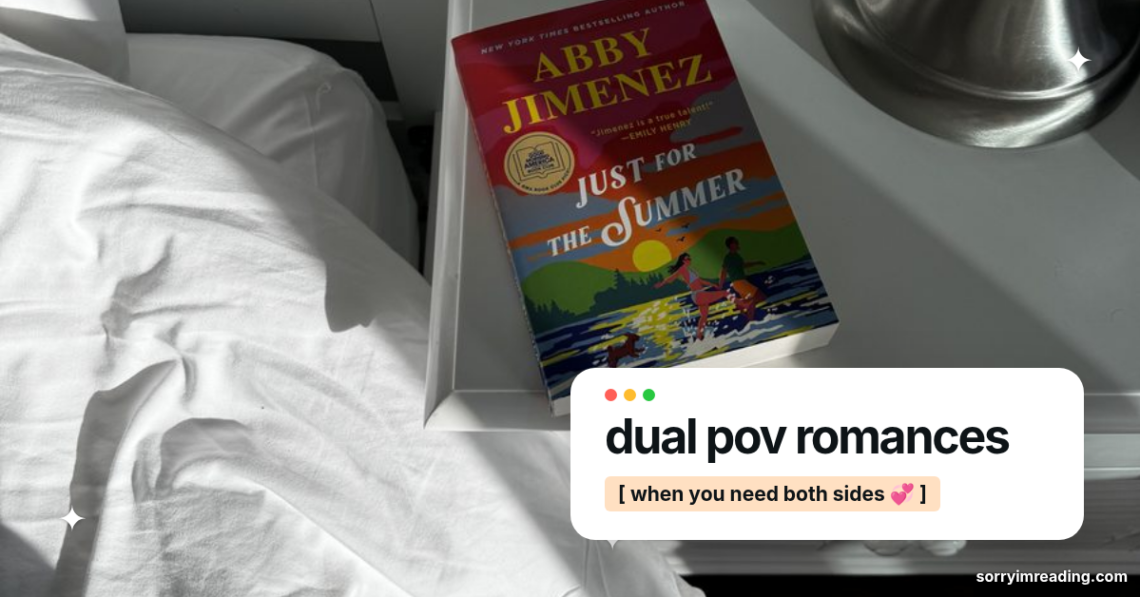
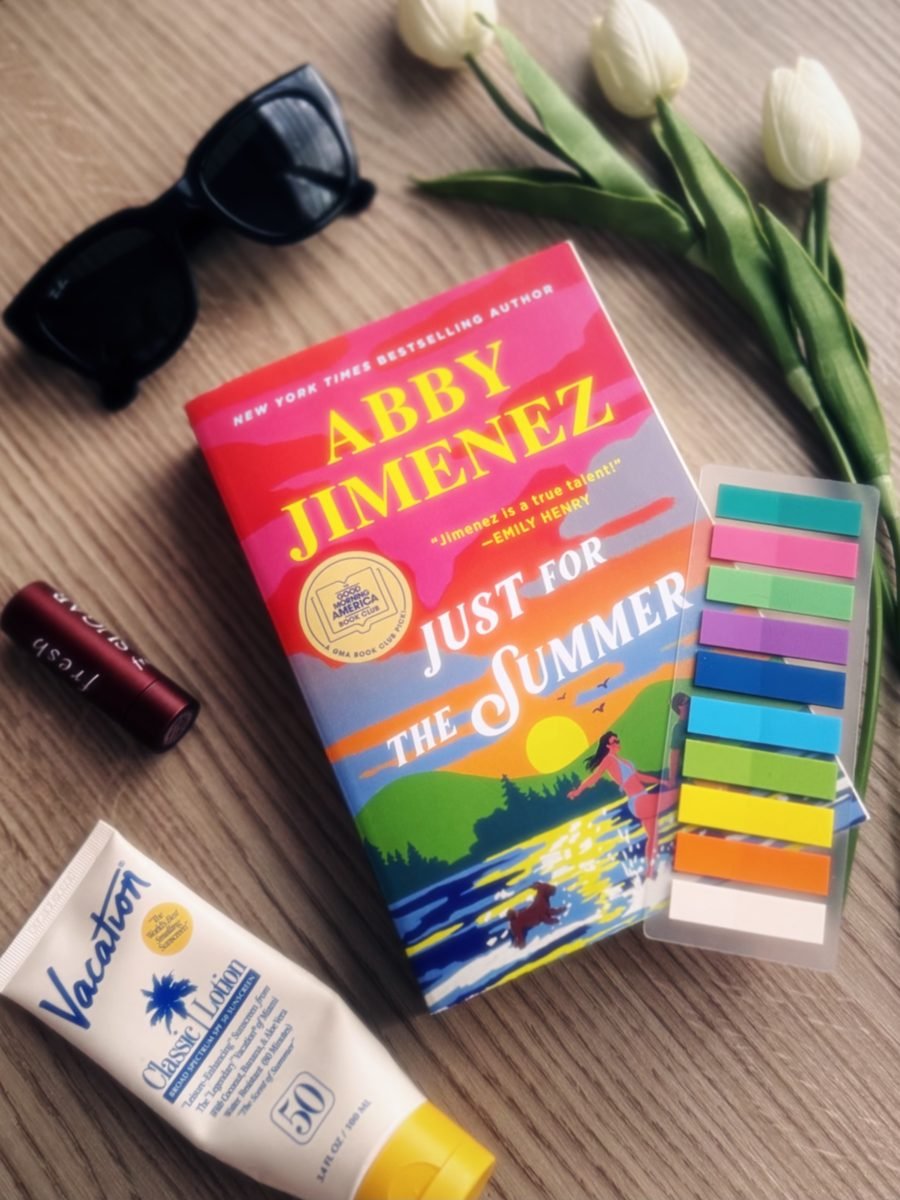
Want fast chemistry and a lighter escape? Reach for contemporary romance books with banter, vacation setups, fake dating, or coworkers who need to stop pretending they don’t care. When you want the best romance book recommendations, a witty romantic comedy often delivers. If you prefer cozy settings, a charming small town romance hits the spot. Abby Jimenez, Emily Henry, Christina Lauren, and Kate Clayborn are beloved romance authors who often come up when readers want relationship-forward category romance with both perspectives.
Need angst? Pick a book with a wounded hero, a heroine who has reasons not to trust anyone, and a trope that forces them into each other’s orbit. Second-chance romance is especially dangerous in dual POV because you get both versions of the regret. Bring snacks.
Want danger with your feelings? Go for fantasy romance or romantic suspense. You want the threat to matter, but you also want the couple’s emotional connection to keep pace with it. If the plot gets huge and the romance vanishes for 150 pages, this might not be your moment.
Reader groups can help when your TBR feels like a black hole. When hunting for addictive dual POV books, a dual-perspective romance post shows how often people ask for this exact feature alongside authors like Abby Jimenez and Renee Carlino. Ask for the trope, the heat level, and whether you need a happy ending. Readers will come through, offering targeted romance book recommendations and guiding you toward your next favorite category romance or romantic comedy.
Frequently Asked Questions
What makes a dual point of view romance better than a single POV?
Dual POV romances eliminate frustrating misunderstandings by giving readers access to both characters’ inner thoughts and feelings. This format builds deeper romantic tension, letting you watch both love interests struggle with their attraction in real time.
Do dual POV books always prevent repetitive scenes?
Not automatically, as poorly structured alternating chapters can sometimes just replay the same event with different adjectives. The best dual point of view books ensure each voice has a distinct purpose, bringing new information or a unique emotional perspective to the story.
Which romance tropes work best with a dual point of view?
Tropes like enemies to lovers, forced proximity, fake dating, and second-chance romance thrive under dual narration. Seeing both characters spiral over their unacknowledged feelings makes the emotional payoff much more satisfying.
The Final Chapter Should Feel Earned
The appeal of dual POV romances is simple: you don’t have to guess whether the love is mutual. You get the longing from both directions, the mess from both directions, and hopefully the payoff from both directions. When diving into contemporary romance novels, this multi-layered approach makes all the difference.
The format can’t save flat characters or a romance with no spark. But when both voices feel alive, utilizing a dual point of view turns every glance, fight, and almost-confession into something bigger. It enhances the emotional connection between the characters and the reader.
Give me two people with real chemistry, separate inner lives, and the absolute worst timing. That is what keeps fans coming back to their favorite romance novels chapter after chapter.
grab the free skip to the good part checklist
100 reader-approved spicy scenes in one cute printable. check them off, star your rereads, send it to the group chat. plus my sunday email (one a week, unsubscribe anytime).
you're already on the list 💗 the checklist link is in your welcome email.
one email a week. no spam, no amazon links in your inbox. unsubscribe anytime.



One comment on “Dual POV Romances When You Need Both Sides”